The Independent Artist’s Guide to Global Monetization: From Studio Quality to Music Publishing Royalties

As an independent artist, you aren't just a creator. You’re the CEO of your music business. You’ve likely spent many hours (and some sleepless nights) perfecting your sound. You make sure each snare hit and vocal layer is right where it should be. But once the creative process ends, the business of music begins.
At Songtrust, we work with independent creators who understand that distribution is only one piece of the puzzle. To grow your career, make sure your music’s administrative foundation is as strong as your recording.
The Money You Might Be Missing: Recording vs. Publishing
Let’s clear up a classic industry myth: just because your music is on DSPs through a distributor (like DistroKid, CD Baby or UnitedMasters), it doesn't mean you’re collecting everything you’ve earned.
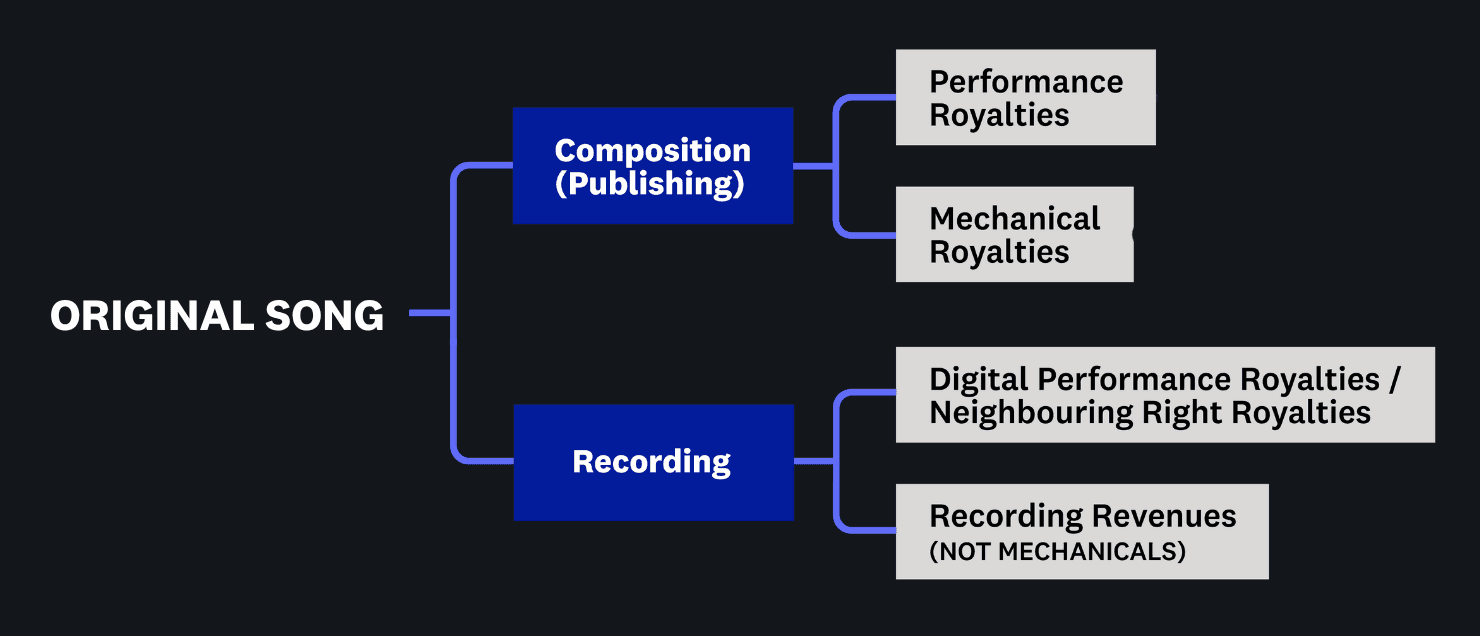
When you release a song, you are actually releasing two distinct pieces of intellectual property: the master recording (the specific audio file) and the musical composition (the underlying lyrics and melody).
Distributors focus on collecting recording royalties. But the composition generates its own stream of income called music publishing. If you aren’t on top of your publishing, you’re basically leaving money on the table for someone else.
Understanding the Global Music Publishing Landscape
The world of publishing can feel like alphabet soup. While every country has its own acronyms, the UK and US models show this global split well:
Performance Rights Organizations (PROs): These societies collect royalties when your music is broadcast or played in public (including streaming).
Examples: PRS in the UK, or ASCAP and BMI in the US
Mechanical Rights Organizations (MROs): These collect mechanical royalties generated every time your song is reproduced digitally (essentially, every single time someone hits "play" on a streaming service)
Examples: MCPS in the UK, or The MLC in the US
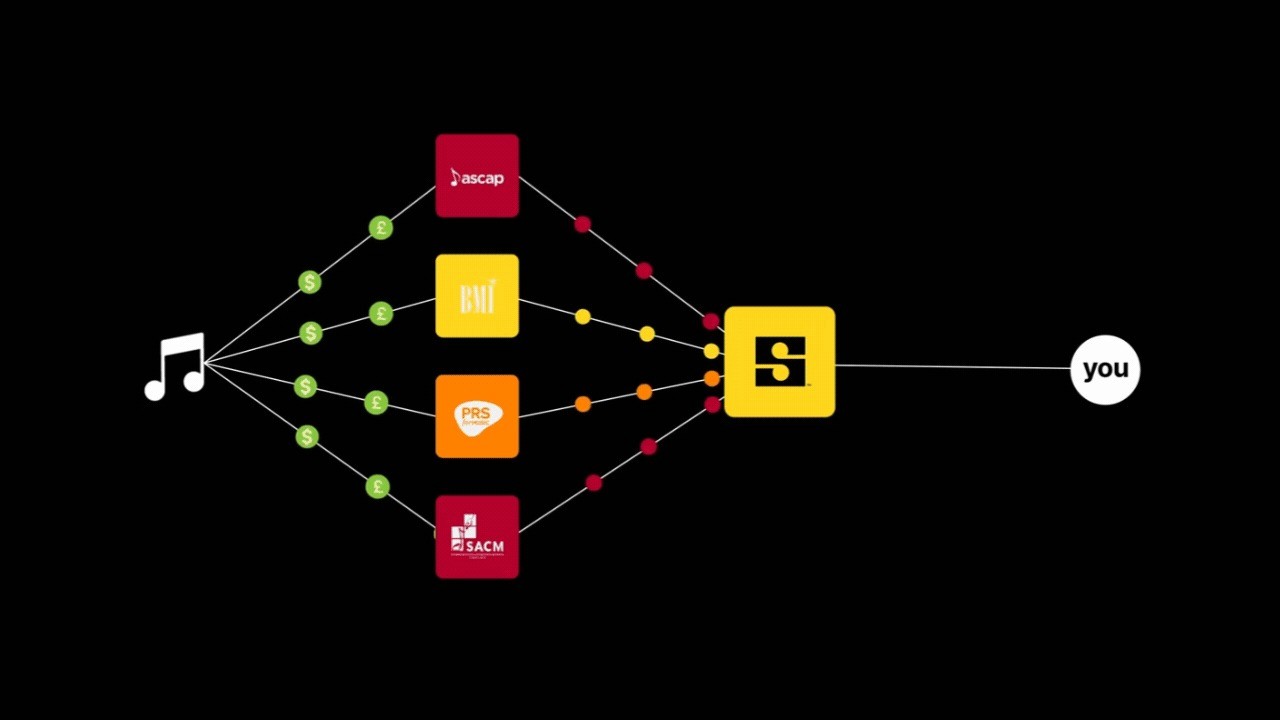
The Global Challenge: If you’re a creator in London but your biggest fanbase is in Los Angeles, your royalties have to travel through a chain of "reciprocal agreements." It’s slow, bureaucratic, and sometimes your money gets lost to a black box before it ever reaches you.
How Songtrust Powers Your Global Independence
To be recognized as a songwriter in the publishing ecosystem, your essential first step is affiliating with a PRO. Songtrust works complementary to your PRO affiliation, providing the global reach that local societies often cannot.
Songtrust acts as your global publishing administrator. We provide the infrastructure of a major publisher while letting you maintain 100% ownership of your copyrights.
Direct Global Collection: We skip the "slow lane" of reciprocal agreements by registering your songs directly with over 65 societies worldwide.
Bridging the Gap: We ensure you’re collecting digital mechanical royalties that many local PROs simply aren't designed to reach.
Artist-Friendly Terms: We take 0% of your song ownership and a standard 15% commission on performance royalties and 20% on non-performance (worldwide mechanical) royalties collected.
Beyond the Stream: Active Monetization
Monetization for the intentional independent musician goes beyond just waiting for Spotify payouts. Getting your publishing administration right taps into three more potential revenue streams:
Sync Licensing: When your music is used in TV, film, or advertising, it generates upfront license fees and residual performance royalties.
Live Performance Royalties: When you perform your original songs at a venue, you’re owed a "public performance" royalty. Yes, you can get paid publishing royalties for playing your own songs at a pub!
Micro-Sync: Platforms like TikTok, Instagram, and YouTube generate royalties every time your song is used in a video. Without a global music publishing administrator, these tiny, high-volume payments are nearly impossible to track.
How Audio Quality Drives Your Bottom Line
It’s a common misconception that song quality is subjective. In the world of sync licensing and streaming algorithms, quality should be thought of as a financial metric.
1. Beating the "Skip" Penalty
Algorithms are ruthless. An NYU study found that it only takes five seconds for a listener to decide if they like a song. If a muddy mix or buried vocals trigger an instant skip, it sends a "negative signal" to platforms like Spotify. This stops the algorithm from recommending you, effectively killing your royalty potential before the first chorus even hits.
2. Meeting Industry Standards
Whether you pitch for global editorial playlists or international sync placements, your audio should meet commercial standards. A music supervisor will pass on a hit song instantly if the technical quality feels amateur. To hold your own against the big labels, you need that professional polish.
The Bottom Line
Being an independent artist doesn't mean doing it all alone. It means picking the right partners. By pairing the audio precision of RoEx with the global reach of Songtrust, you aren't just putting out music. You're building a professional, revenue-generating machine to build a sustainable music career.
Ready to level up? Before you hit that upload button, give your mix a professional health check with Mix Check Studio - or let Automix handle the mixing itself. Once your music is officially out in the world, join Songtrust to make sure you’re actually getting paid for every single stream, everywhere.
Learn